
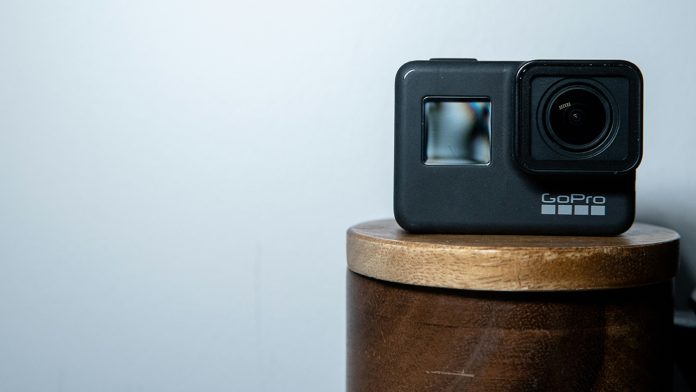
After a troubled few months, the future looks a lot brighter for GoPro. On Sept. 1, the company announced a merger with Starman Optical Inc.
Who is Starman Optical?
Starman Optical Inc. is a privately held U.S. optical-photonics company. It says it focuses on developing and domestically manufacturing optical transceivers and related photonics technologies. Starman Optical is owned by Starman Holding, a diversified holding company with interests across technology, consumer brands and optical photonics.
Why has GoPro done this?
In June, GoPro revealed that its financial situation was so bad the company might not be able to continue as a going concern. The news wasn’t much of a surprise. Only a month earlier, GoPro had announced it was weighing a sale or a merger. That followed an April filing confirming the company would cut about 23% of its workforce, roughly 145 jobs.
What has GoPro announced?
GoPro has entered into a definitive merger agreement with Starman Optical. Shareholders will receive an aggregate cash payment of $285 million, or $1.14 per share, subject to adjustment based on GoPro’s net working capital at closing. They will also retain about 10% of the outstanding shares, which leaves Starman with the other 90%. GoPro’s roughly $92 million in outstanding debt will be repaid in full at closing, leaving what the company calls a “clean, substantially debt-free balance sheet.”
What does the deal mean for the future?
GoPro says it will remain publicly listed on the Nasdaq and will continue to fully support its existing consumer products. The company also plans to maximize the value of its intellectual property (IP) and its “growth potential in consumer, commercial and defense markets.” The combined business intends to apply that IP, along with its optics and imaging capabilities, across defense, government, robotics and aerospace, building on demand for U.S.-made solutions.
National security
“Advanced optics and imaging are essential to AI, national security, and the broader economy, yet much of the critical hardware supporting these technologies continues to be manufactured overseas,” said Charles Tebele, chief executive officer of Starman Holding. He said the combination of GoPro’s optical expertise and Starman’s U.S. manufacturing platform should bring production of those components back to the United States.
America’s future
Nicholas Woodman, GoPro’s founder and CEO, said he expects the merger to grow the company across consumer, commercial and defense markets “as a leading American imaging and optical solutions company, addressing important areas of national security related to cameras, optics and AI infrastructure.”
What next?
GoPro’s board of directors and Starman’s board have both approved the merger. The deal is expected to close by the end of 2026, subject to regulatory approvals, a vote of GoPro stockholders and other customary closing conditions.
What we think
After a long stretch of uncertainty, GoPro’s future looks more secure. Statements from both companies lean hard on defense and government work, and with U.S. restrictions tightening around Chinese drone makers, GoPro clearly sees an advantage in being an American manufacturer. For consumers, the commitment that matters is the one to keep supporting existing cameras along with the subscription and cloud platform. That suggests the Hero line sticks around for a while yet.

