

Nikon has disqualified the winning video in its Small World in Motion competition. Generative AI is the reason. The company ruled that the entry broke its rules on the technology and handed first place to someone else.
What is Small World in Motion?
Small World in Motion is Nikon’s annual video contest for footage shot through microscopes. It runs alongside the long-running Small World photomicrography contest. Entries show life at a scale few cameras ever reach.
What happened this year?
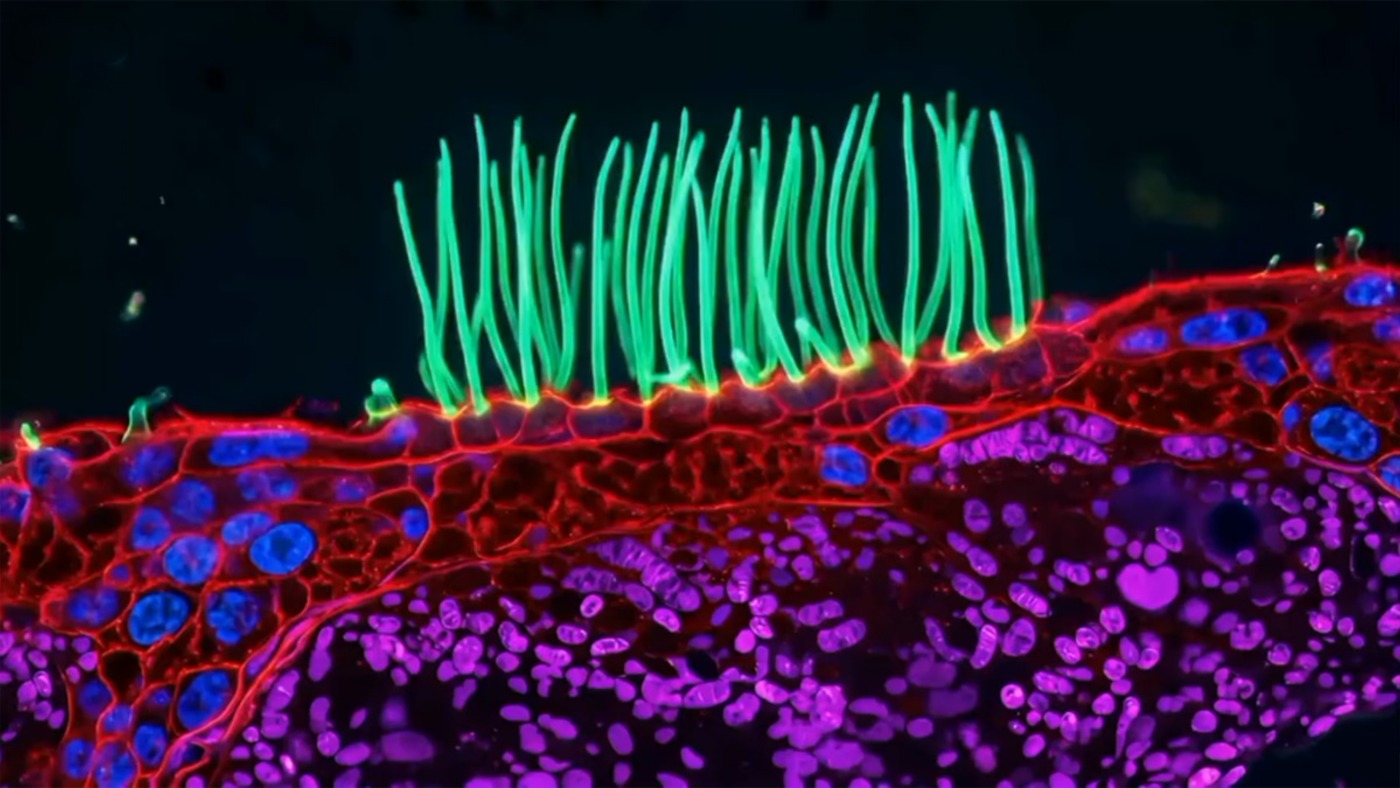
This year’s winning video came from Ning Xu of Tsinghua University in China. It claimed to show cilia, tiny hair-like structures, moving in the airway of a child with primary ciliary dyskinesia (PCD). PCD is a respiratory condition.
Complaints reached Nikon soon after. Other scientists, including some who had judged the contest before, alleged the video was fake.
“Fabricated”
Robert Hirst of the University of Leicester in England spotted the problem right away. He has spent 20 years diagnosing PCD by studying cilia waveform and length, plus cell size and shape. Hirst said the cells and cilia in the winning video looked nothing like those from real PCD patients.
What has Nikon said?
Nikon posted a statement on the Small World in Motion website. The company said it re-evaluated the video and its supporting materials, then consulted members of its judging panel. Its conclusion: the entry didn’t comply with the contest’s generative AI rules. Nikon adjusted the rankings.
What has Xu said?
Xu has admitted to using AI on the video. He said he believed he had stayed within the contest rules and cooperated with Nikon’s investigation.
Nikon stressed that the decision rests only on whether the video was eligible under the rules. It shouldn’t be read as a verdict on Xu’s professional reputation or scientific work.

What’s next?
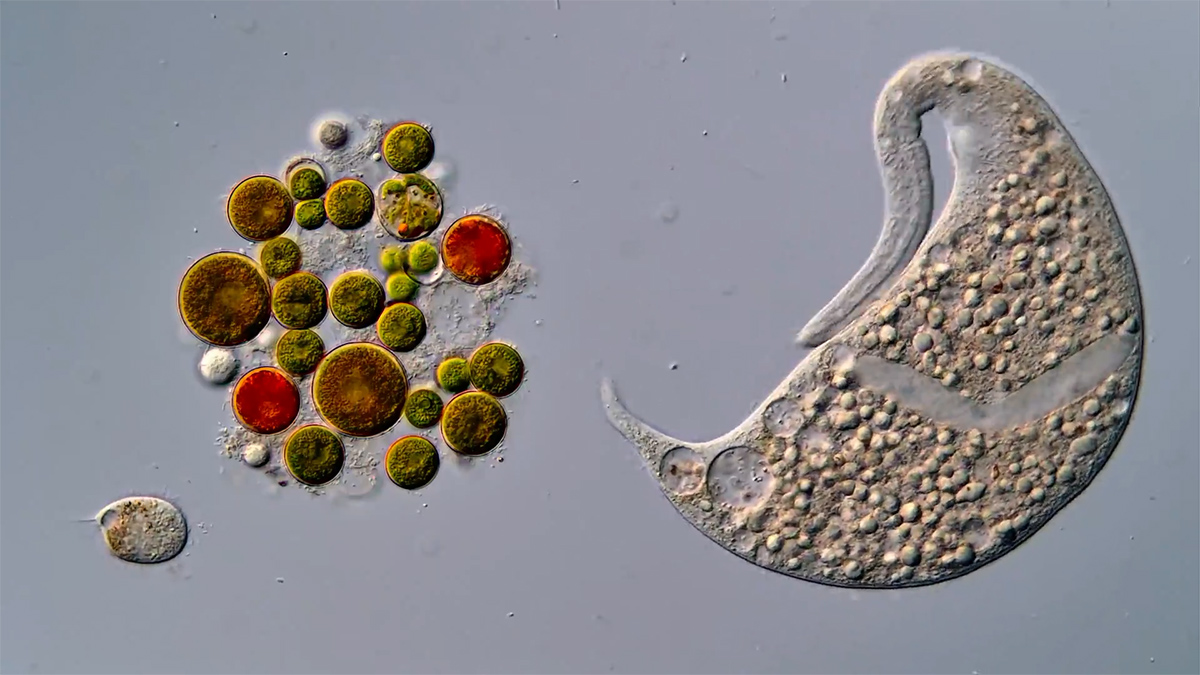
Nguyen Nam Nhat is the new first-place winner. The video follows a tiny roundworm and a single-celled Dileptus as they explore their microscopic world. It was filmed at 40x magnification.
What we think
Generative AI keeps stirring up trouble, and now it’s showing up in science contests. Here, footage made with the technology was presented as the real thing.
Experienced scientists caught it, which is the good news. A general audience wouldn’t have had a chance. If reliable ways to detect AI-generated video don’t arrive soon, “seeing is believing” stops meaning much.
Video shooters should take note. Contests, clients and platforms are all tightening their AI rules. Read the fine print before you enter, and keep your raw files handy in case anyone asks how you made a shot.


