

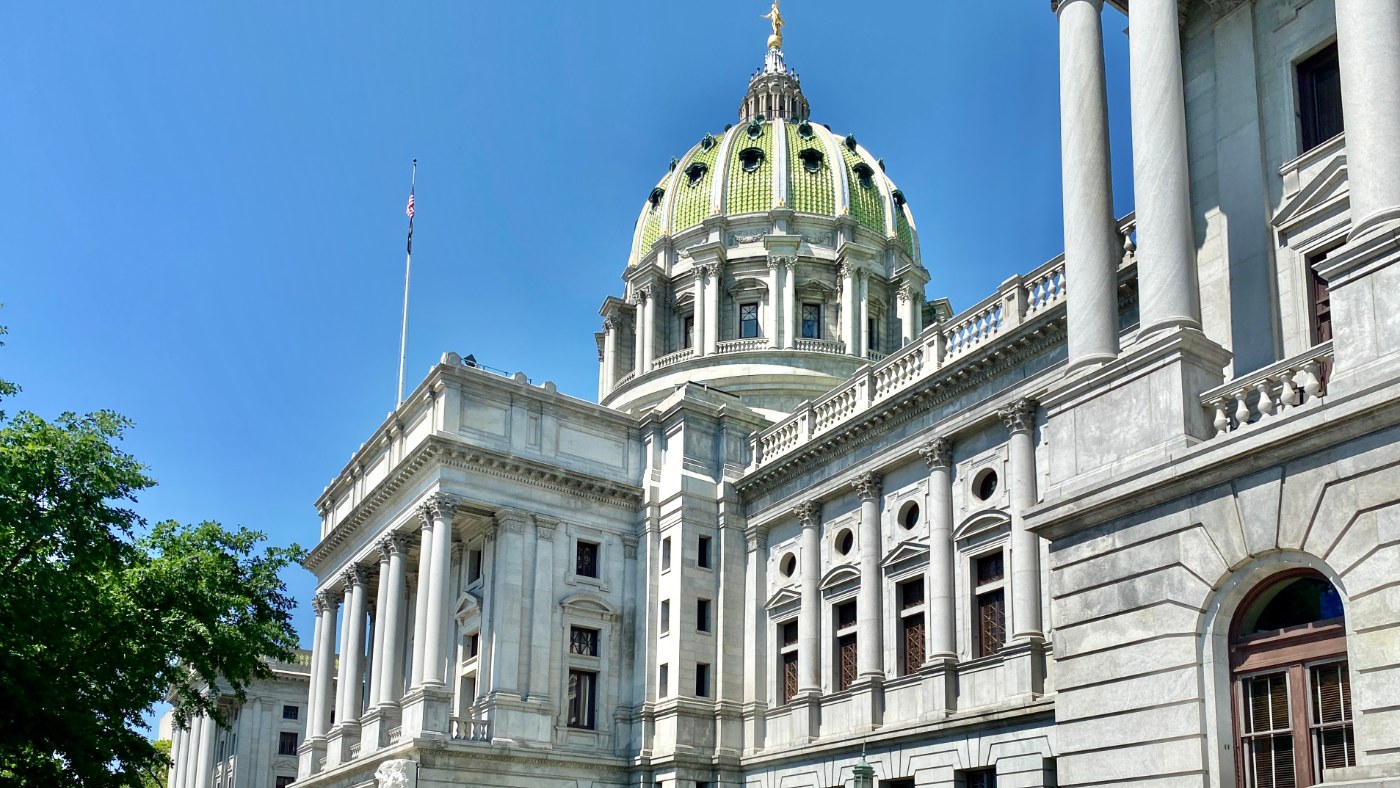
Pennsylvania has passed a law that regulates ads featuring AI-generated content. The Artificial Intelligence Deceptive Advertising Act takes effect Dec. 21, 2026.
Background
Senate Bill 806, which creates the act, was first introduced at the beginning of 2025. Its prime sponsor was Democratic Sen. Nick Pisciottano. Co-sponsors included both Democratic and Republican senators.
Gov. Josh Shapiro signed the bill Oct. 22, 2026.
False information
The memo attached to the original bill called AI a powerful tool that can boost productivity and efficiency. It also said technology is not inherently good or bad. In the wrong hands, the memo warned, AI can damage people’s reputations, security and livelihoods. It raised concerns that scammers and bad actors could use advanced technology to spread false information and defraud Pennsylvanians.
What does the act say?
The act bars advertisers from creating or distributing an ad with synthetic content that gives consumers a false impression of what is being sold, where it came from or whether it’s authentic. The exception is an ad with a clear and conspicuous disclosure. That disclosure must say the ad contains content modified or generated with AI.
Synthetic content
The act defines synthetic content broadly. It means any image, video, audio clip or text that AI has significantly modified or generated. That covers more than fully AI-made content. Real footage heavily edited with AI tools falls under the law too.
What do advertisers have to do?
Advertisers must label misleading AI ads with a clear and conspicuous disclosure. The label needs to use the same format as the ad itself and appear the first time a consumer sees or hears the content. Size, contrast, duration and volume all factor in, and the label must be in the consumer’s language.
Where technically feasible, the disclosure must be permanent or very hard to remove from the synthetic content.
What ads are covered?
The act applies to images, video, audio and text. It covers any ad someone in Pennsylvania might encounter. Flyers from local Pennsylvania companies must comply. So do national TV and radio ads that use AI when they air in the state.
Exemptions
Some content is exempt. That includes anything evidently fictional based on its content or context. Parody, satire, commentary and criticism are also exempt. Text-only content isn’t covered.
Enforcement
The state attorney general or a district attorney can seek an injunction or file suit. Courts can order damages, a fine capped at $3,000 and attorney fees. The law has no private right of action, so consumers can’t sue on their own.
What we think
AI-generated content now looks real enough that many people struggle to spot it. Protecting consumers from misleading ads makes sense. Some lawyers have raised concerns about the wording, though. The act applies only where an ad creates a “false consumer perception,” and that phrase leaves room for debate.
Advertisers also have only 60 days to prepare. National TV spots may need a separate Pennsylvania version.
For video shooters, the practical question is how much AI editing counts as significant. If you cut spots for Pennsylvania clients, ask now how they plan to handle labels, especially if you use AI tools for cleanup, upscaling or generated B-roll. Hopefully the rough spots get ironed out so consumers get the protection they need.


