

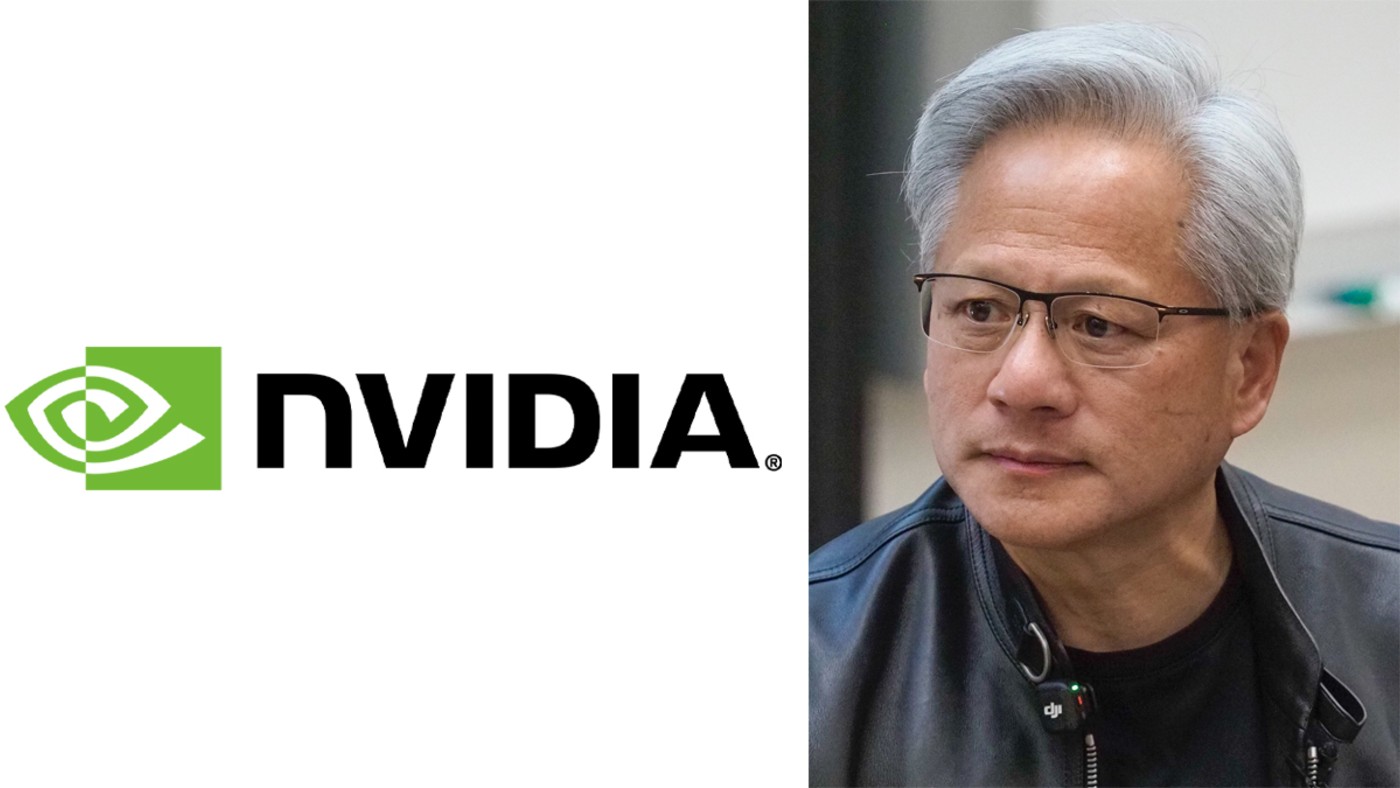
Jensen Huang is back in charge at NVIDIA. The company reinstated him as president and CEO on Nov. 23, 11 days after he announced his resignation. Investors cheered, sending NVIDIA stock up 31%. Lawmakers from both parties were far less impressed.
Why did Huang resign?
Huang stepped down as president, CEO and board member on Nov. 12, 2026. His exit followed a New York Times report that he’d had an affair with a woman U.S. intelligence officials believed was a Chinese spy. The Times also reported an affair with Kimberly Powell, NVIDIA’s vice president of health care.
A separate cloud hangs over the company. The U.S. Department of Justice is looking into claims that NVIDIA chips were smuggled into China in breach of U.S. export laws. NVIDIA shed more than half a trillion dollars in market value after Huang left. CFO Colette Kress stepped in as interim CEO.
Huang’s return
NVIDIA’s board voted unanimously to bring Huang back, effective immediately. Board chair Harvey C. Jones called Huang the right person to lead the company. He said the move serves NVIDIA’s stockholders, employees, partners and customers.
The board also said it took input from senior levels of the U.S. government. Based on that input, it’s confident Huang’s return “poses no national security risk.” An independent committee is still investigating reports that Huang was the target of a foreign intelligence effort. NVIDIA also plans to hire a chief compliance officer.
The role of Donald Trump
Right after Huang resigned, President Donald Trump posted on Truth Social that former Apple CEO Tim Cook should take over NVIDIA. Eleven days later, he was claiming credit for Huang’s comeback.
Trump called the reinstatement “very exciting news.” He said he’d spoken with NVIDIA’s board “directly and indirectly.” In an interview with CNBC, he said he personally convinced the board to reinstate Huang. His summary was blunt: “I made the deal.”
Questions remain
The stock may have soared, but Capitol Hill isn’t buying the national security assurance. Sen. John Cornyn, R-Texas, put it simply on X: “No national security risk? Based on what?”
Sen. John Curtis, R-Utah, wants to know who in government weighed in and what they told the board. Sen. Mark Warner, D-Va., called Trump’s role “outrageous” and “troubling.” In his view, the president should be guarding national security, not NVIDIA’s share price or his own finances.
Rep. Don Bacon, R-Neb., told CNBC the decision was inexplicable. He called it “a failure of character.”
What we think
Huang’s exit sent shock waves through the tech world. His return may prove equally turbulent. Shareholders are happy for now, but the hard questions haven’t gone away. Huang faces closed-door interviews with the House Intelligence and Foreign Affairs committees and the Select Committee on China on Dec. 1. Two days later, he testifies at a public Senate Banking Committee hearing.
Why should video creators care? NVIDIA GPUs sit inside a huge share of editing rigs. GeForce RTX cards accelerate effects, AI tools and hardware encoding in apps like DaVinci Resolve and Premiere Pro. Turmoil at the top could ripple into product roadmaps, driver support and pricing. Keep an eye on those hearings. The outcome could shape the hardware you buy next year.


